SBA Loan Guide 2026: 7(a), 504, Express and What Changed
The SBA rulebook changed more in the last year than in the previous five. Current rates, fees, limits and the new acquisition rules, in plain English.
Oct 10, 2026Read
Credit score sets the menu, not the verdict. Here is what each band can realistically get, what it costs, and how to move up one tier in about 90 days.
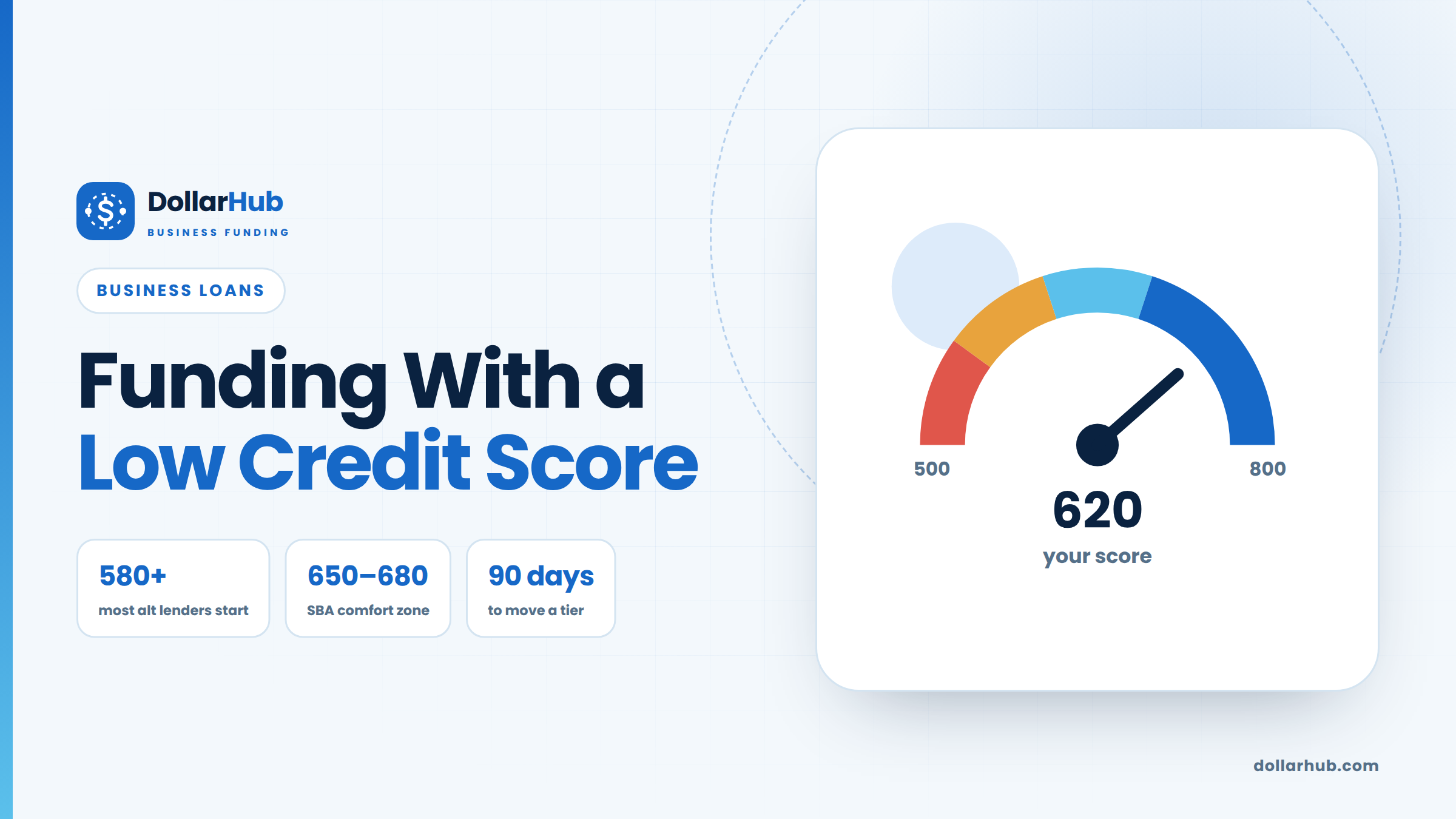
Short answer: yes, you can get business funding with a low credit score — but your score decides which menu you order from, and how much the meal costs. Here is what each credit band can realistically access in 2026, what it costs, and how to move up a tier in about 90 days.
Most small business lenders rely on the owner's personal credit because the business has little or no credit file of its own, and nearly all small business funding carries a personal guarantee. The score is a shortcut for predicting repayment, but it is one input among several: deposits, time in business, industry and existing debt all move the decision.
| Score | Realistic products | Typical cost |
|---|---|---|
| Below 580 | Merchant cash advance, invoice factoring, equipment financing with a large deposit | Factor rates 1.35–1.50; factoring 1–4% per 30 days |
| 580–619 | MCA, short-term loan, equipment financing (20–30% down) | 18–22% APR on equipment; advances 1.30–1.45 |
| 620–679 | Online term loan, online line of credit, equipment financing, revenue-based financing | 12–20% equipment; alternative lenders 15–35% annualised |
| 680–719 | Most products, SBA becomes realistic, bank lines open up | SBA 10–13%; bank term loans around 8–13% |
| 720+ | Everything, at the best pricing | Bank term loans 8–11% |
Approval rates follow the same curve: online lenders approve roughly 30–55% of applicants in the 580–619 band and 55–75% in the 620–679 band, while banks rarely approve below 620.
Your customers' creditworthiness matters more than yours. Some factors work with scores in the 530–550 range when invoice quality is strong. Best for B2B businesses on net-30 to net-90 terms.
The asset is the collateral. Specialist lenders go to about 575 with a larger down payment, typically 20–30%. See the equipment financing guide.
Underwritten largely on deposits. Workable from around 500 with consistent revenue, and the fastest money available — at the highest cost. Understand the structure first: MCA guide.
Repayment as a share of monthly revenue, priced on performance rather than score. Common for e-commerce and subscription businesses.
Thirty to sixty days after paying down balances, scores typically move. Combined with three clean months of statements, that is often the difference between a 1.40 factor and a 12% term loan.
There is no universal minimum. Alternative lenders start around 500–580, online term lenders around 600–620, and SBA lenders are typically comfortable from 650–680.
Some factoring and platform-based advances rely mainly on invoices or sales data, but nearly all providers run at least a soft check. Treat "no credit check" marketing with caution.
If the lender reports to commercial bureaus and you pay on time, yes — business credit improves. Most advances do not report, so they build no credit history even when repaid perfectly.
They work together. Two years of trading with solid deposits can offset a 600 score; a 700 score with three months of trading will still face limits.
A trucking company owner at 596 needed $70,000 for a replacement truck. The first quotes were 20%+ with 25% down. Over three months he did five things:
Score at day 92: 641. The same lender approved the truck at 14.9% with 10% down. The monthly payment fell by roughly $380, and the total cost over four years by about $18,000. Nothing about the business changed except what the file showed.
Business credit is a separate file, and most owners never start it:
Within a year this gives you a commercial file that lenders can read independently of your personal score, which matters most when you want to drop the personal guarantee later.
Underwriters in alternative lending will often say the same thing: they would rather see 600 with twelve clean months of deposits than 700 with volatile banking and three NSFs. Your score sets the menu, but your bank statements decide what you are actually offered from it.
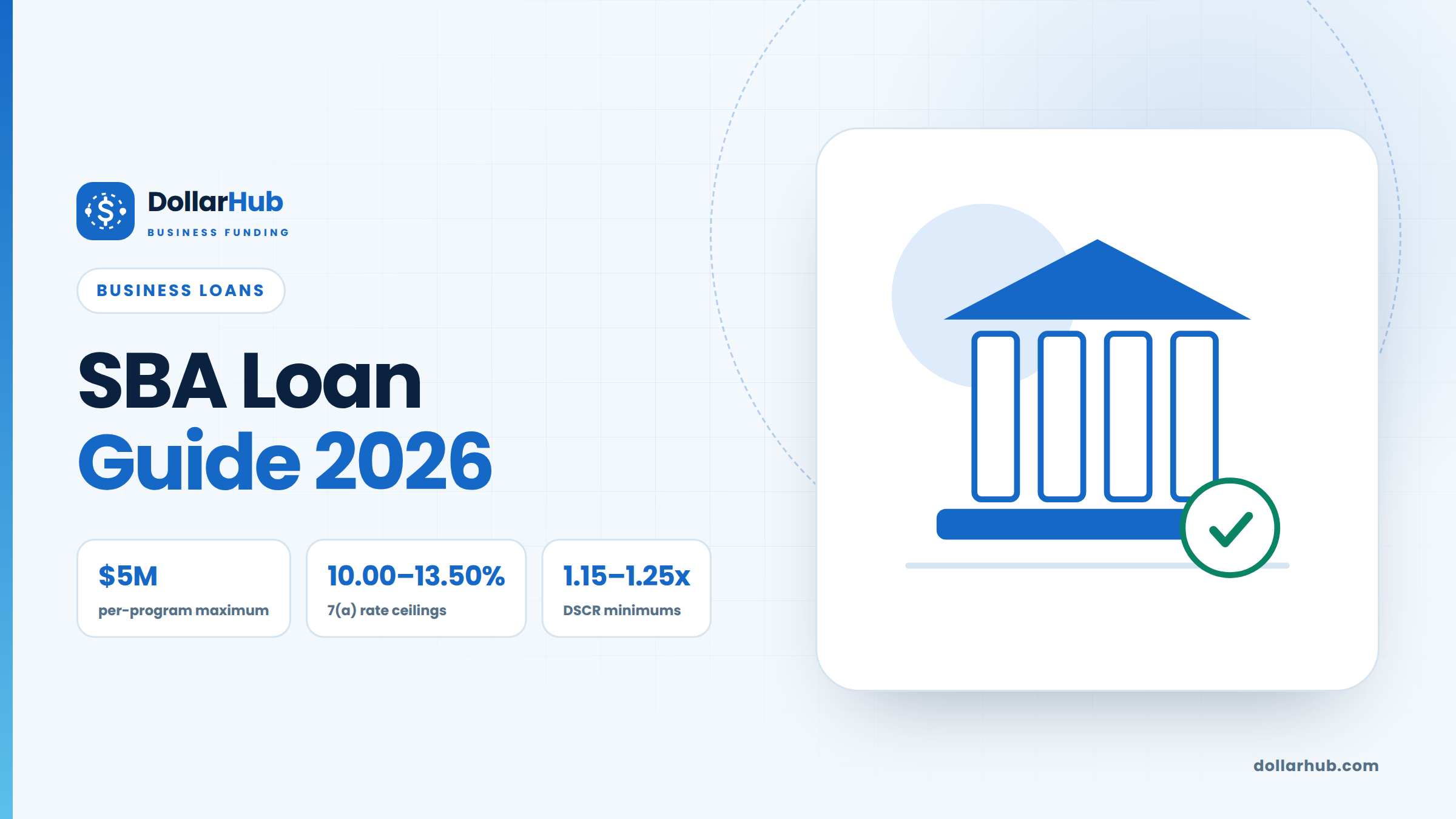
The SBA rulebook changed more in the last year than in the previous five. Current rates, fees, limits and the new acquisition rules, in plain English.
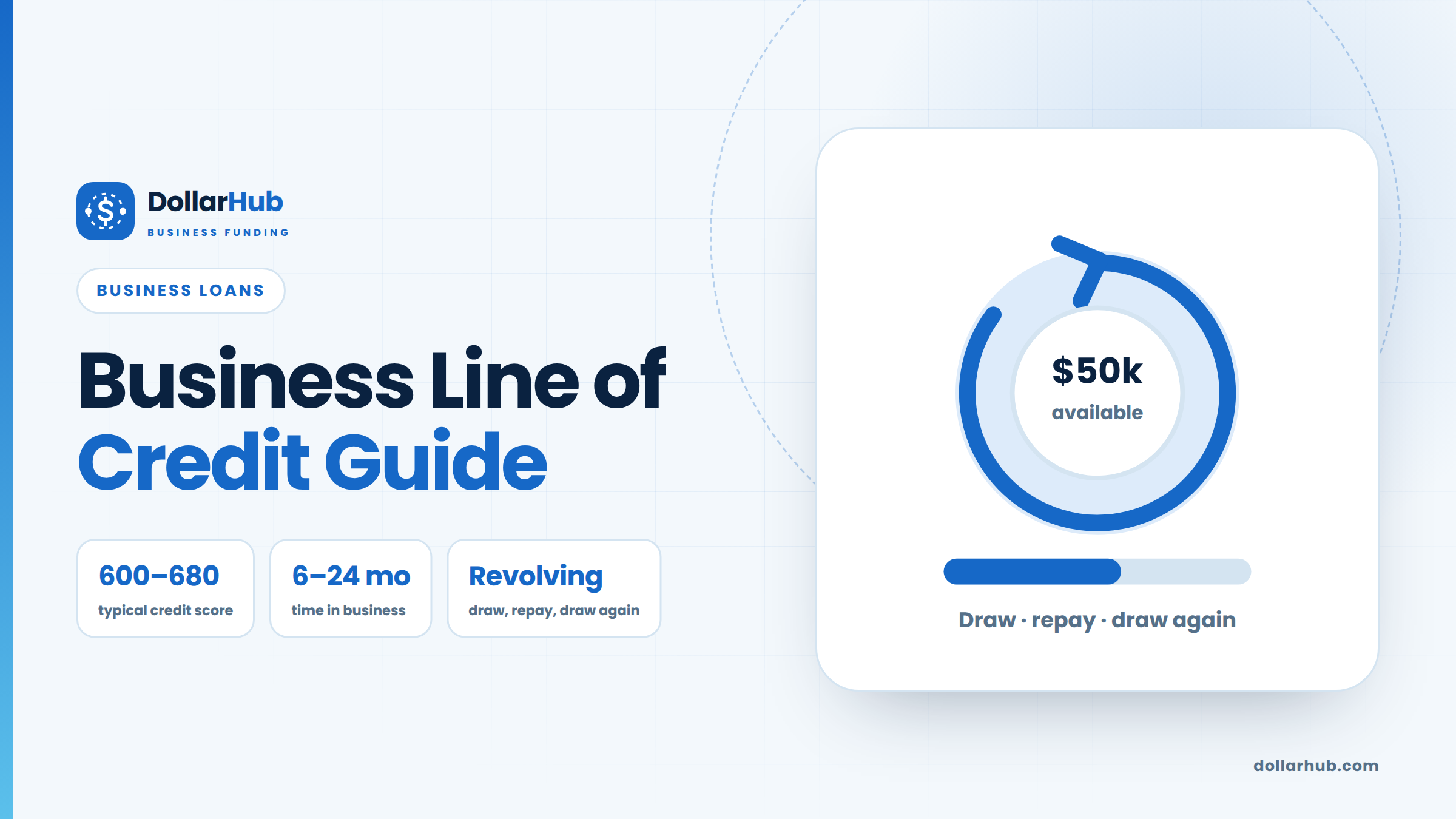
A line of credit is the cheapest insurance against a slow month — if you set it up before you need it. Requirements, costs and the traps in the fine print.
Have these ready and your application moves faster — from bank statements to your EIN.