Commercial Real Estate Loan Guide: Owner-Occupied and Investment
Buying the building you work in is a different deal from buying one you rent out. Here is how each is financed, what the ratios need to be, and what it costs in 2026.
Oct 6, 2026Read
Purchase, rehab and exit each need different money. Here is how the stack is normally built, what lenders cap it at, and where business funding helps and hurts.
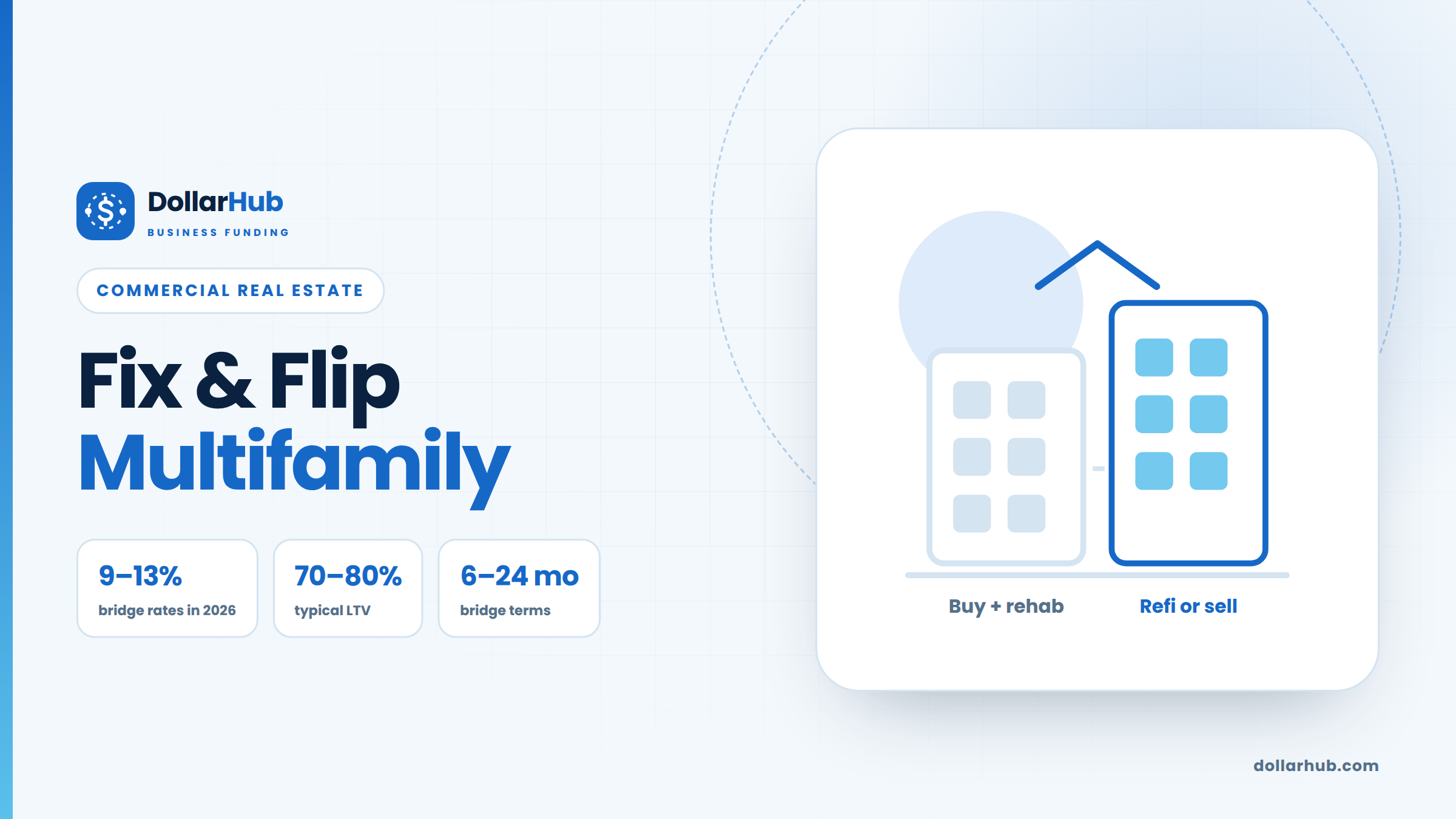
A multifamily flip has three money problems, not one: buying the building, paying for the rehab, and getting out at the end. Each is funded differently, and the deals that go wrong usually go wrong because the exit was not arranged before the rehab started. Here is how the stack is normally built in 2026, and where business funding helps and where it hurts.
Across US bridge and fix-and-flip lenders in late 2026, typical terms were:
| Loan type | Rate | LTV | Term | Points |
|---|---|---|---|---|
| Fix and flip | 9–13% | 70–80% | 6–12 months | 1–3 |
| Bridge | 9–12% | 65–80% | 6–24 months | 1–2 |
| Rental / DSCR (exit) | 9–13% | 65–80% | 12–36 months+ | 1–2 |
Rates vary by state and by sponsor experience. Points are charged separately from the rate — two points on a $600,000 loan is $12,000 at closing.
Loan to cost (LTC) is the lender's share of purchase plus rehab. Many lenders go to 80–90% of cost for experienced sponsors.
After repair value (ARV) caps the whole facility, commonly at 70–75%. Whichever is lower governs.
Example. Purchase $800,000, rehab $200,000, ARV $1,300,000.
Rehab money is not handed over at closing. You complete a stage, request a draw, the lender inspects, and funds are released — typically in 3 to 10 business days. That means you front each stage with your own working capital and get reimbursed.
This is the single most common cash flow trap on a flip. Plan for at least one full draw cycle of float, plus a contingency of 10–15% of the rehab budget.
Useful:
Risky:
If the plan is to hold and refinance, model the DSCR now: net operating income divided by the new annual debt service. Most DSCR lenders want 1.20–1.25x, and rents must support it at the rate available when you refinance, not today's. If the plan is to sell, be honest about days on market in your submarket and carry costs for that period.
Typically 15–25% of total project cost, plus closing costs, points, interest reserves and a rehab contingency. On a $1,000,000 project, $200,000–$300,000 of liquidity is a realistic planning figure.
DSCR loans are generally for stabilised, income-producing property. Use a bridge or fix-and-flip loan for the work, then refinance into DSCR once units are leased.
Much less than a conventional mortgage lender. They underwrite the deal, the ARV and your track record. They still want a personal guarantee and proof of reserves.
Extensions are usually available for a fee, and some lenders will increase the facility if ARV supports it. Build the contingency in from the start — it is far cheaper than an emergency extension.
| Item | Amount |
|---|---|
| Purchase price | $800,000 |
| Rehab budget (6 units) | $200,000 |
| Total project cost | $1,000,000 |
| Bridge loan at 85% LTC | $850,000 |
| Your equity | $150,000 |
| Points (2) and closing costs | About $28,000 |
| Interest at 11% on average outstanding balance over 9 months | About $60,000 |
| Taxes, insurance and utilities for 9 months | About $22,000 |
| Total cash needed beyond the loan | About $260,000 |
If the ARV is $1,300,000 and you sell, selling costs of 6% take roughly $78,000, leaving a gross profit near $310,000 before tax. If instead you refinance at 70% LTV, you draw about $910,000 — enough to retire the bridge and recover part of your equity, with the rest trapped in the deal until it is sold or refinanced again.
The two numbers that destroy that profit are time and scope creep. Every extra month costs roughly $9,000 in interest and carry, and rehab overruns are rarely 5% — they are 15–20% when the walls come down.
Hold each project in its own entity, keep project accounting out of the operating company's bank account, and avoid pledging business assets for project debt. Two reasons: lenders on both sides underwrite a cleaner file, and a project that runs long cannot take the operating business down with it.
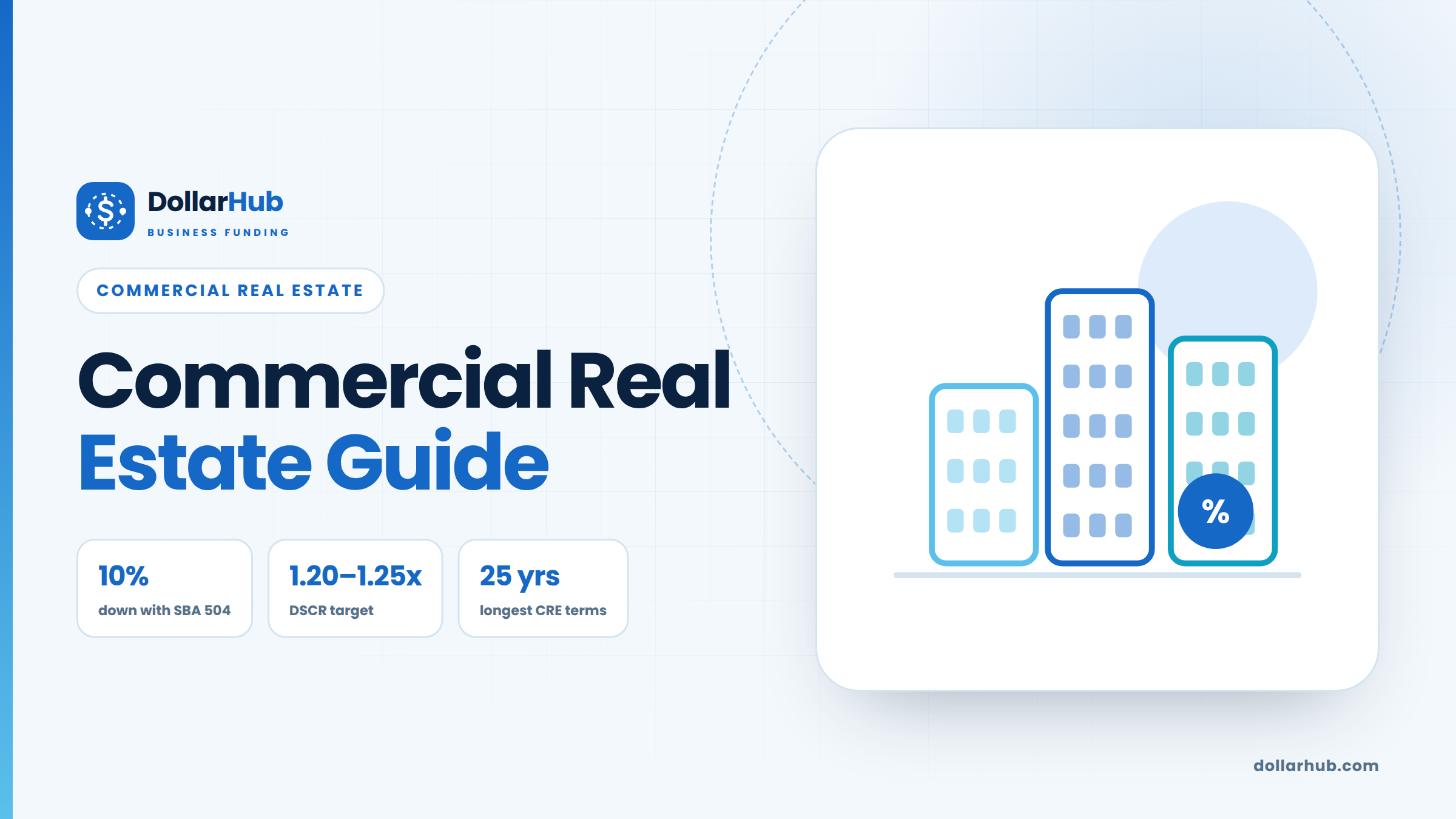
Buying the building you work in is a different deal from buying one you rent out. Here is how each is financed, what the ratios need to be, and what it costs in 2026.
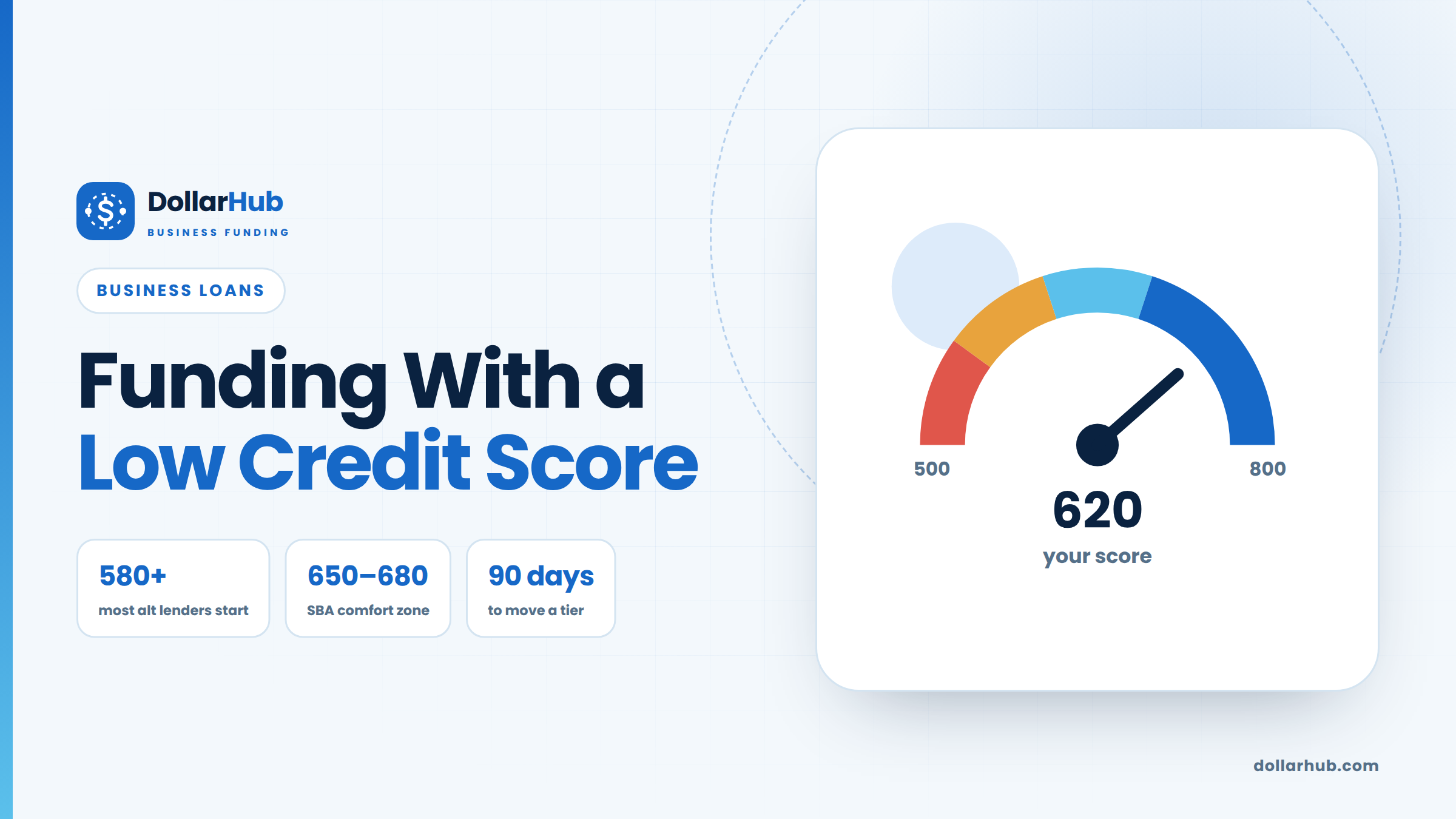
Credit score sets the menu, not the verdict. Here is what each band can realistically get, what it costs, and how to move up one tier in about 90 days.
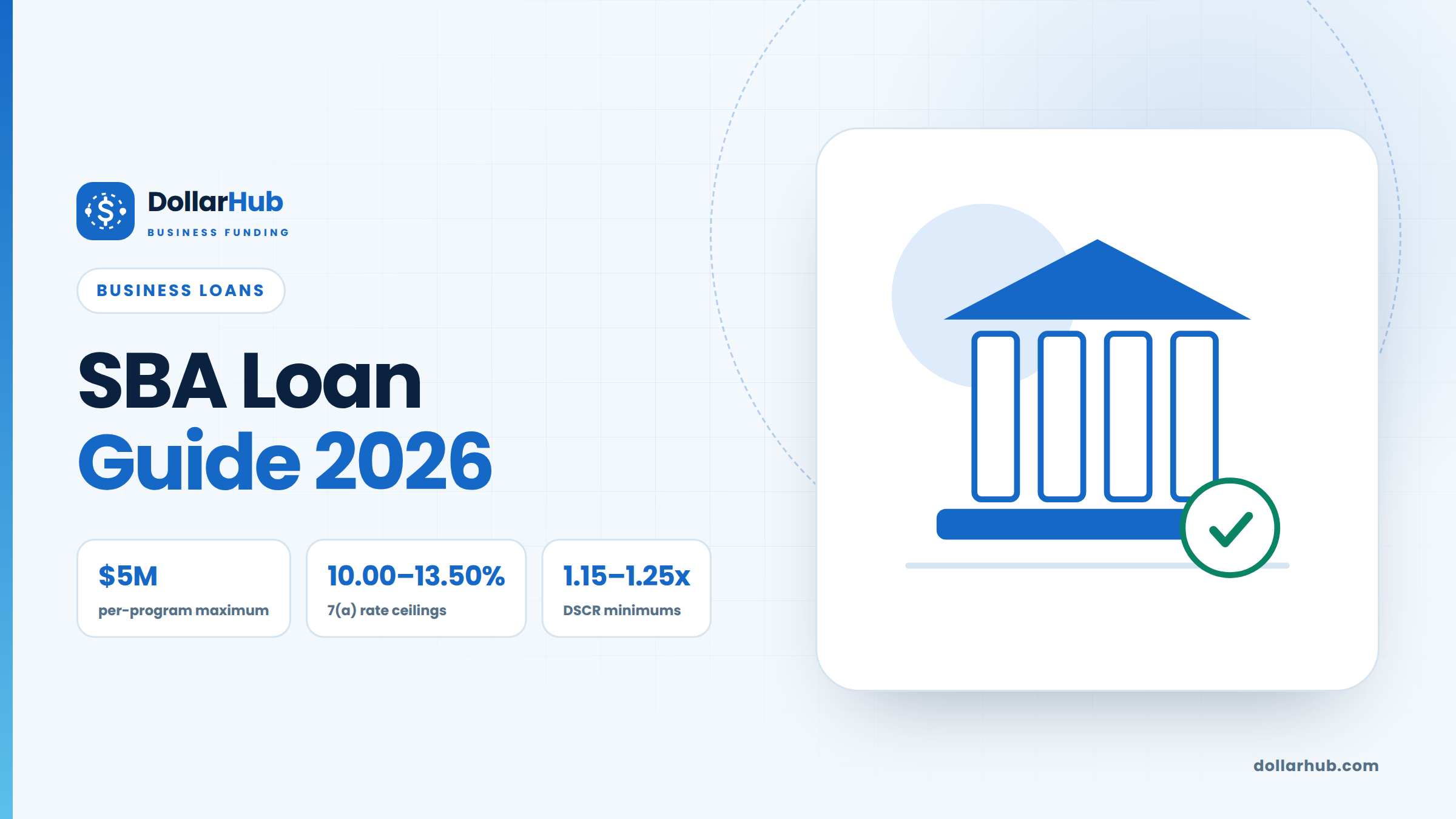
The SBA rulebook changed more in the last year than in the previous five. Current rates, fees, limits and the new acquisition rules, in plain English.